
See your data clearly. Cut ROT data. Take back control.
ROT data management and cleanup
Netwrix Data Classification helps you discover, classify, and control sensitive and ROT data across your environment. Identify risk, reduce exposure, and take action with clear visibility and automated remediation.
ROT data management made simple with data classification
Manual ROT data cleanup is inconsistent and often misses sensitive information hidden in obsolete files. Netwrix data classification combines sensitive data discovery with ROT data analysis so you can find what matters, understand the risk, and take action with confidence.
Identify redundant, obsolete, and trivial data
Netwrix data classification scans your environment to discover ROT data across file systems, email, databases, and cloud repositories. It uses activity analysis and metadata inspection to pinpoint stale, duplicate, and orphaned files that increase risk and storage costs.
Reduce your attack surface
ROT data often contains sensitive information that is no longer needed but still accessible. By identifying and removing this data, you reduce unnecessary exposure and improve your overall security posture.
Improve compliance and audit readiness
Outdated data can create compliance risks, especially when it includes regulated information. Netwrix helps you locate sensitive ROT data and take action to align with data retention policies and regulatory requirements.
Cut storage costs and improve efficiency
Eliminate unnecessary data and reduce storage sprawl. Free up resources and improve system performance by focusing only on data that delivers business value.
An organization discovers years of unused files across its file servers, including outdated financial records and duplicate documents.
Without Netwrix Data Classification,
ROT data remains unidentified. Files that have not been accessed in years continue to accumulate, and sensitive information within them goes unnoticed. Cleanup is manual and inconsistent, making it difficult to reduce risk or enforce retention policies.
With Netwrix Data Classification,
repositories are scanned to identify redundant, obsolete, and trivial data. Files containing sensitive information, such as PII and financial data, are flagged for remediation. Policies can then be applied to archive or delete ROT data based on retention rules, while preserving critical business information. Continuous scanning helps identify new ROT data early and manage it before it becomes a risk.
Key features supporting ROT data management
Sensitive data discovery and classification
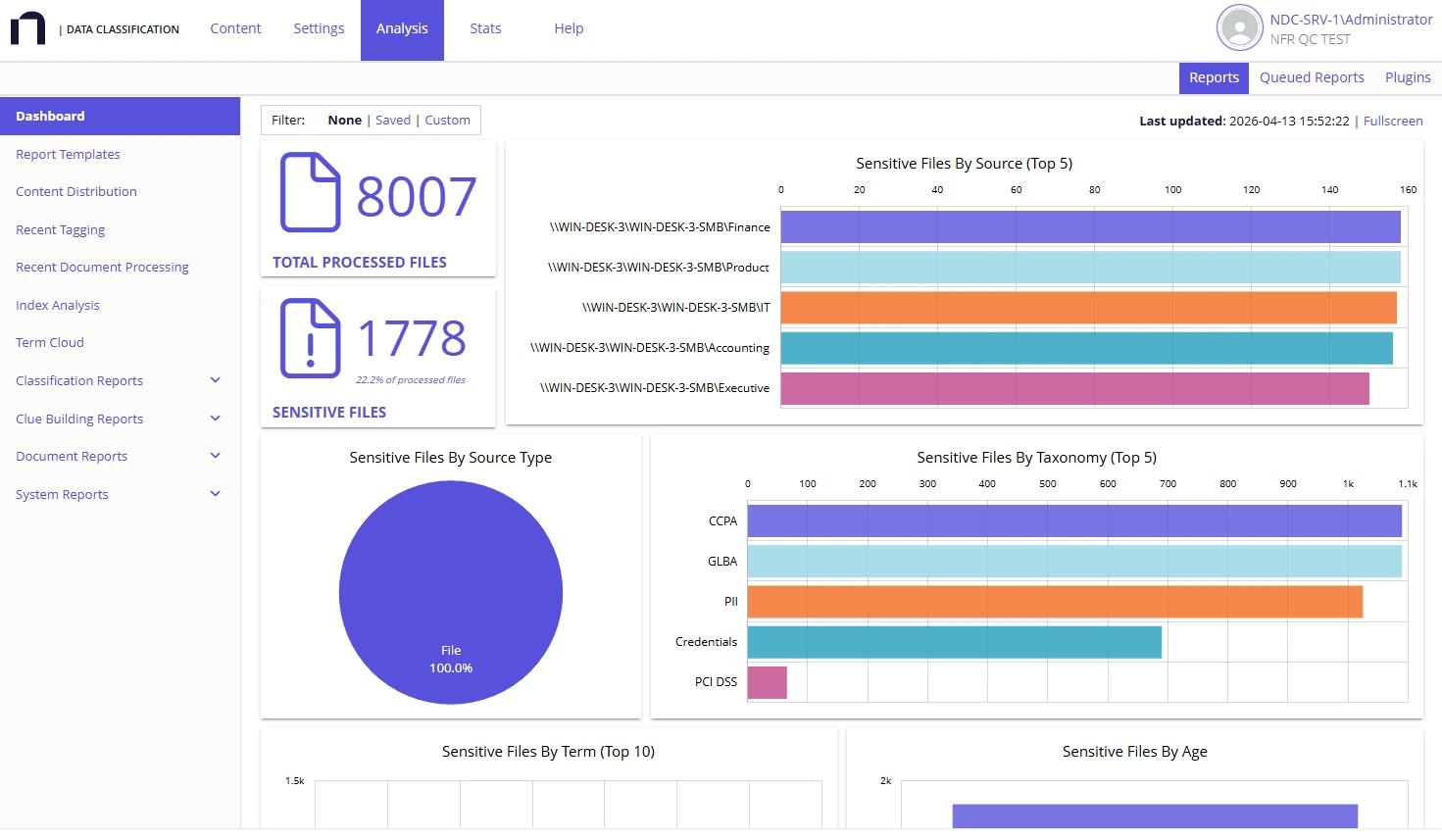
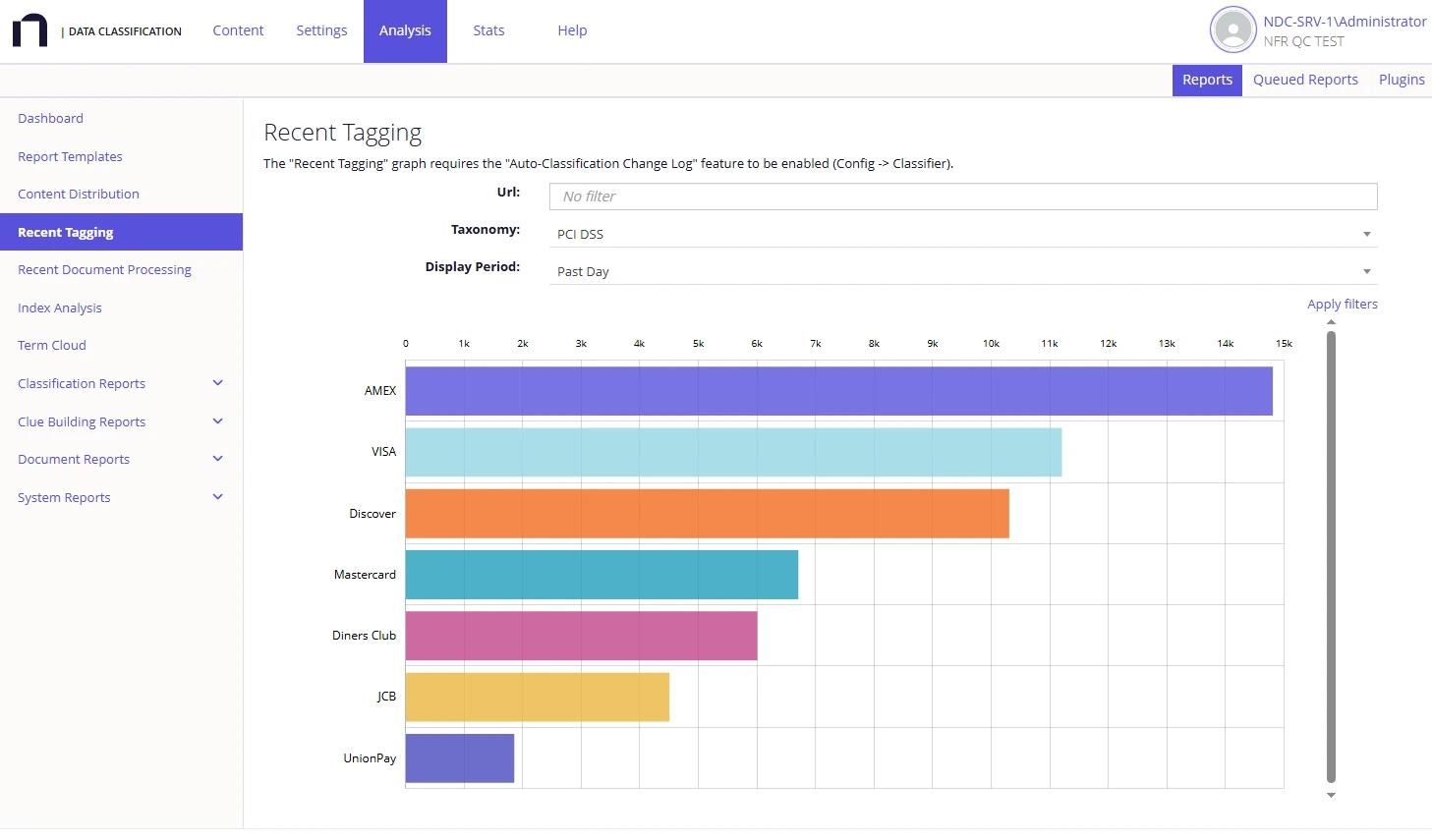
Automatically identify sensitive data within ROT files using built-in classifiers and custom rules. Understand what data you have and where it resides.
Data classification and tagging
Apply classification labels to organize data by sensitivity, ownership, and business value. Make it easier to prioritize cleanup efforts and enforce retention policies.
"... We needed a simple way to identify and classify data. Netwrix Data Classification has all the basics that you need to identify where PCI/PII data is being stored in the environment. They have classification dictionaries for pretty much everything."
Anonymous, IT Manager
Insurance
Why choose Netwrix Data Classification?
Data risk visibility and reporting
Gain clear insight into where ROT data exists, who has access to it, and what risks it introduces. Use dashboards and reports to guide defensible remediation decisions.
Automated remediation workflows
Take action on ROT data with automated or guided workflows. Archive, delete, quarantine, or secure data based on your policies to reduce risk and maintain compliance, including isolating sensitive files in insecure locations.
Flexible deployment and integration
Classify data across on-premises and cloud environments, including file servers, Microsoft 365, and enterprise storage platforms.
Ready to take control of ROT data?
Detect redundant and obsolete files. Minimize sensitive data exposure. Use classification to drive smarter data control.